A classroom game has instructional value only when the teacher can observe and assess a specific idea. The plans below deliberately distinguish force analysis, probability reasoning and language decoding instead of treating every game as the same kind of activity.
For teachers, the best approach is to connect every game with a learning objective. Before using the game, decide what the students should notice, practise, or explain. After the game, ask students to reflect on what they learned and how they improved.
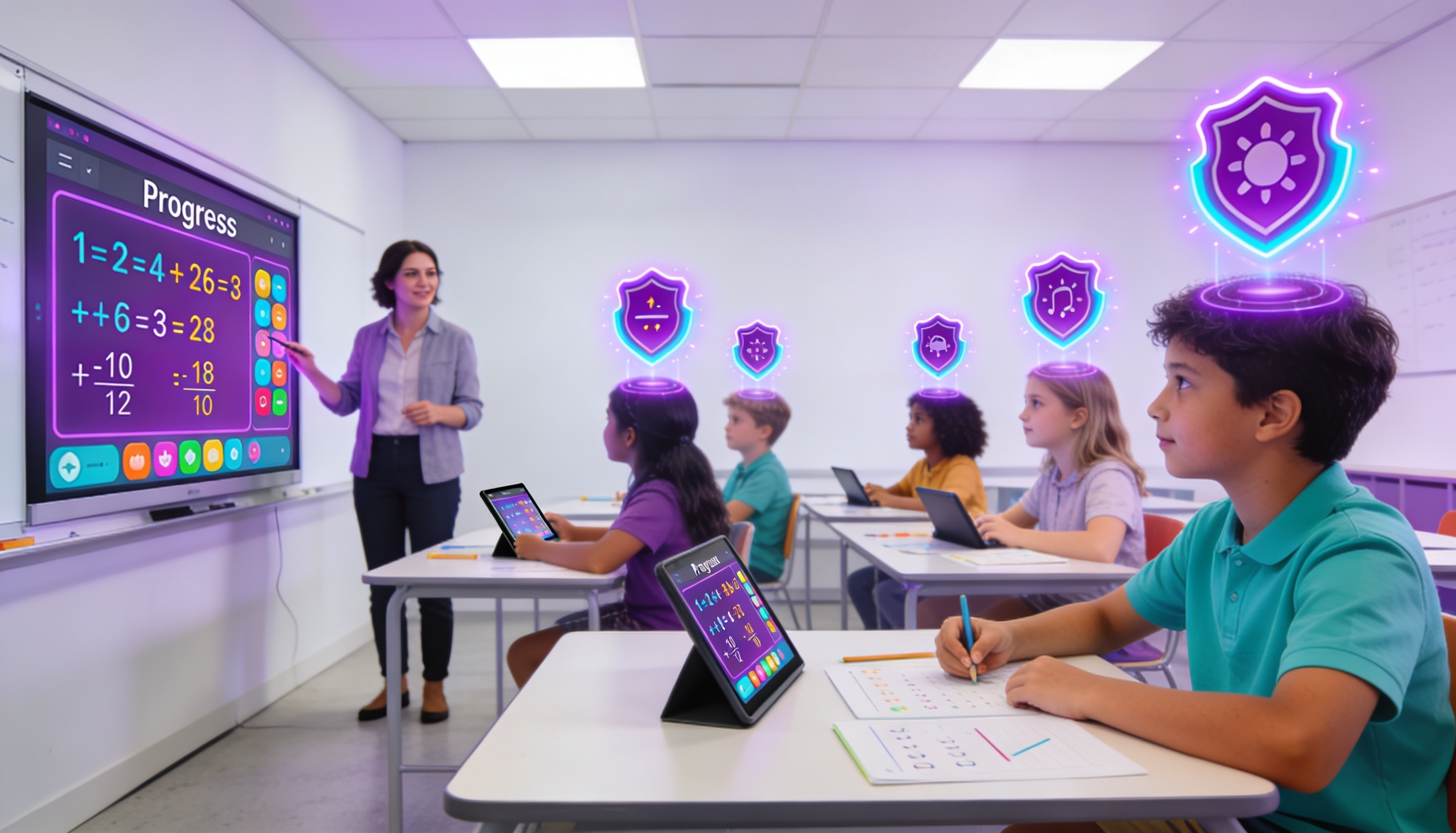
Start With a Clear Learning Objective
Before choosing a learning game, ask one simple question: What should my students learn or practise through this activity? The answer may be a skill, a concept, a vocabulary idea, a science observation, a calculation method, or a reasoning strategy.
When the objective is clear, the game becomes a teaching tool. Without an objective, even a good game can become only entertainment. A mathematics game may support pattern recognition. A science simulation may support prediction and observation. A language game may support vocabulary or spelling. A puzzle may support logic and attention.
Mathematics: A 20-Minute Probability Lesson
Maths, 20 minutes: Use Cars N Goats as a prediction exercise. Give 3 minutes to describe the contestant rules, 7 minutes for repeated choices, 5 minutes to tabulate wins and turns, and 5 minutes to explain what a fair comparison requires. Do not claim the game follows the classical Monty Hall host rules without verifying them.
Warm-up games should be short. Five minutes is often enough. The aim is not to complete every level. The aim is to prepare the mind for the lesson.
Science: Draw and Explain Forces
Science, 25 minutes: With Free Body Diagram Practice, spend 4 minutes identifying an object, 8 minutes drawing only forces acting on it, 8 minutes discussing weight, normal reaction and genuine third-law pairs, and 5 minutes answering an unfamiliar block-on-table question. Collect diagrams, not just game scores.
For example, before changing a slider in a motion simulation, ask: What do you think will happen to the path? Before starting a classification game, ask: Which rule will help us sort these items? Before a math puzzle, ask: What pattern do you notice first?
After the result appears, ask students to explain whether their prediction was correct and why. This simple cycle changes a game from passive play into active learning.
Language: Decode and Explain Vowels
Language, 15 minutes: In AEIOU, spend 3 minutes reading a word aloud, 5 minutes identifying the missing vowel, 4 minutes justifying the sound-letter choice, and 3 minutes writing a different word using the same vowel pattern. Permit oral answers where writing is a barrier.
Digital board use is strongest when the teacher controls the pace. Pause before a choice. Ask the class to vote. Let one student explain. Then continue. This keeps the activity focused and avoids random clicking.
Use Games for Group Challenges
Many activities can be used as team challenges. Divide the class into small groups and ask each group to discuss the next step. The group should explain the strategy, not only give the answer.
Group challenges are useful because students learn from each other. One student may notice a pattern, another may explain a rule, and another may correct a mistake. This discussion builds confidence and understanding.
Use Games for Revision
For revision, record a prediction, one in-game observation and an explained exit response. A winning score by itself cannot distinguish understanding from guessing, prior familiarity or luck. Use the explanation to decide what needs reteaching.
For revision, choose games that match the topic already taught. Do not introduce a completely new idea through a fast game. First teach the concept, then use the game to practise, strengthen, and recall it.
A Simple Classroom Game Routine
A good classroom routine helps keep learning focused. Teachers can use this simple five-step method:
· Set the learning goal in one sentence.
· Ask students to predict or identify the strategy.
· Play the activity for a short, fixed time.
· Pause and discuss mistakes, patterns, or observations.
· End with one reflection question or quick written summary.
Teacher Checklist
Before using any learning game in the classroom, check whether it supports your lesson. A good classroom game should be clear, readable, age-appropriate, and connected to the topic.
· Choose a game connected to the lesson topic.
· Keep the activity short and focused.
· Use prediction before showing the answer.
· Ask students to explain their choices.
· Avoid using scores as the only measure of learning.
· End with a question, discussion, or short summary.
For Students
Students should remember that a learning game is not only about winning. The main goal is to improve understanding. A student should ask: What rule did I use? What mistake did I make? What changed after I tried again?
When students explain their strategy, they become more aware of their own thinking. This helps them transfer learning from the game to notebooks, tests, and real classroom problems.
For Parents
Parents can also use classroom-style learning games at home. After a child plays, parents can ask simple questions such as: What did you learn? Which level was difficult? What strategy helped you improve?
This short conversation turns screen time into learning time. It also helps parents understand whether the child is guessing or really understanding the activity.
How Games4Studies Can Help
Games4Studies provides educational games, simulations, puzzles, quizzes, and classroom-friendly visual activities for students, teachers, and parents. Teachers can use these resources for warm-ups, revision, digital board demonstrations, group challenges, and concept reinforcement.
The best use of Games4Studies is not to replace teaching, but to support it. Use the activity to start thinking, show a visual model, practise a concept, or revise a skill. A short and focused activity can make a lesson more active and memorable.
Explore More on Games4Studies
Interactive Simulations | Physics Activities | Chemistry Activities | Biology Activities |
Article comments
No comments yet. Be the first authorized user to add a learning note.